Call to Action

Emergency Medical Services are in trouble, especially in areas where ambulance services don’t receive adequate municipal support.
Ambulance crews often see people on the worst days of their lives, delivering emergent health care to them. While the care they render has saved countless lives, Emergency Medical Services across the US are closing at an alarming rate.
The contributory factors leading to this ongoing demise and nationwide crisis are many and include:
- Lack of
Community Support and Funding
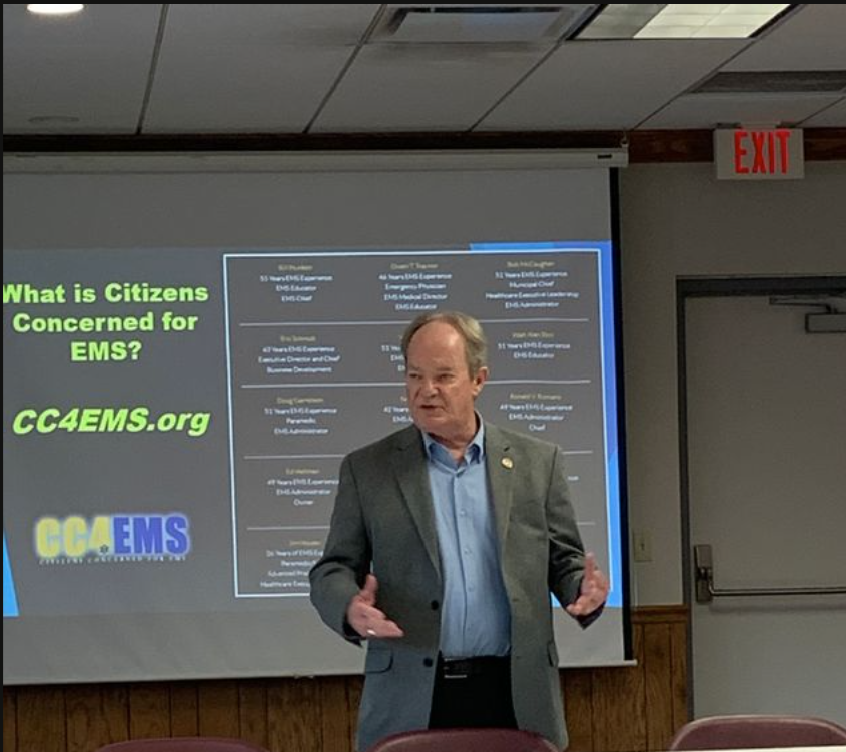 While many communities
have had an ambulance service in their town for
decades, for many agencies, the cost of maintaining
an EMS operation has become prohibitive. The
declining number of volunteers; increased overall
cost for supplies, equipment, and personnel; a
limited career ladder for employees; these and other
issues have served as factors impacting operations
and survivability of the local ambulance service.
Many organizations have gone to their town councils
and elected officials seeking financial help but
sadly, many communities can’t support funding for
EMS given the size of their local budgets. As
a result, the ambulance service closes and
communities wait longer for the next closest
available ambulance to come from a neighboring
community. Unfortunately, in these cases,
lives and families are impacted, and NOT in a
positive way.
While many communities
have had an ambulance service in their town for
decades, for many agencies, the cost of maintaining
an EMS operation has become prohibitive. The
declining number of volunteers; increased overall
cost for supplies, equipment, and personnel; a
limited career ladder for employees; these and other
issues have served as factors impacting operations
and survivability of the local ambulance service.
Many organizations have gone to their town councils
and elected officials seeking financial help but
sadly, many communities can’t support funding for
EMS given the size of their local budgets. As
a result, the ambulance service closes and
communities wait longer for the next closest
available ambulance to come from a neighboring
community. Unfortunately, in these cases,
lives and families are impacted, and NOT in a
positive way.
- Declining
Reimbursement
 A
study conducted in 2018 related that, in the United
States, the cost associated with sending one EMS
crew to a request for help averaged about $560.
One must consider that we are now living in an aging
America, with much of our population on Medicare or
some other form of government-assistance. The
reimbursements to ambulance services from Medicare
and Medicaid fall well below this figure.
Declining reimbursement causes ambulance services to
cut costs and personnel in order to sustain
operations. Add in commercial payers
(insurance companies) NOT recognizing the value or
costs associated with quality pre-hospital care and
also reimbursing at less than that $560 amount, and
the crisis further complicates.
A
study conducted in 2018 related that, in the United
States, the cost associated with sending one EMS
crew to a request for help averaged about $560.
One must consider that we are now living in an aging
America, with much of our population on Medicare or
some other form of government-assistance. The
reimbursements to ambulance services from Medicare
and Medicaid fall well below this figure.
Declining reimbursement causes ambulance services to
cut costs and personnel in order to sustain
operations. Add in commercial payers
(insurance companies) NOT recognizing the value or
costs associated with quality pre-hospital care and
also reimbursing at less than that $560 amount, and
the crisis further complicates.
- Retention of Quality
Employees
There is presently a shortage of EMS personnel, which threatens to undermine the 911 emergency response infrastructure. Turnover of EMTs and Paramedics runs in the range of 20-30% annually. EMS personnel are now leaving the profession faster than they can be replaced, thus compromising EMS’s ability to respond to health care emergencies. This is especially true in rural and underserved parts of the country.
- New Professionals
Entering the EMS Workforce
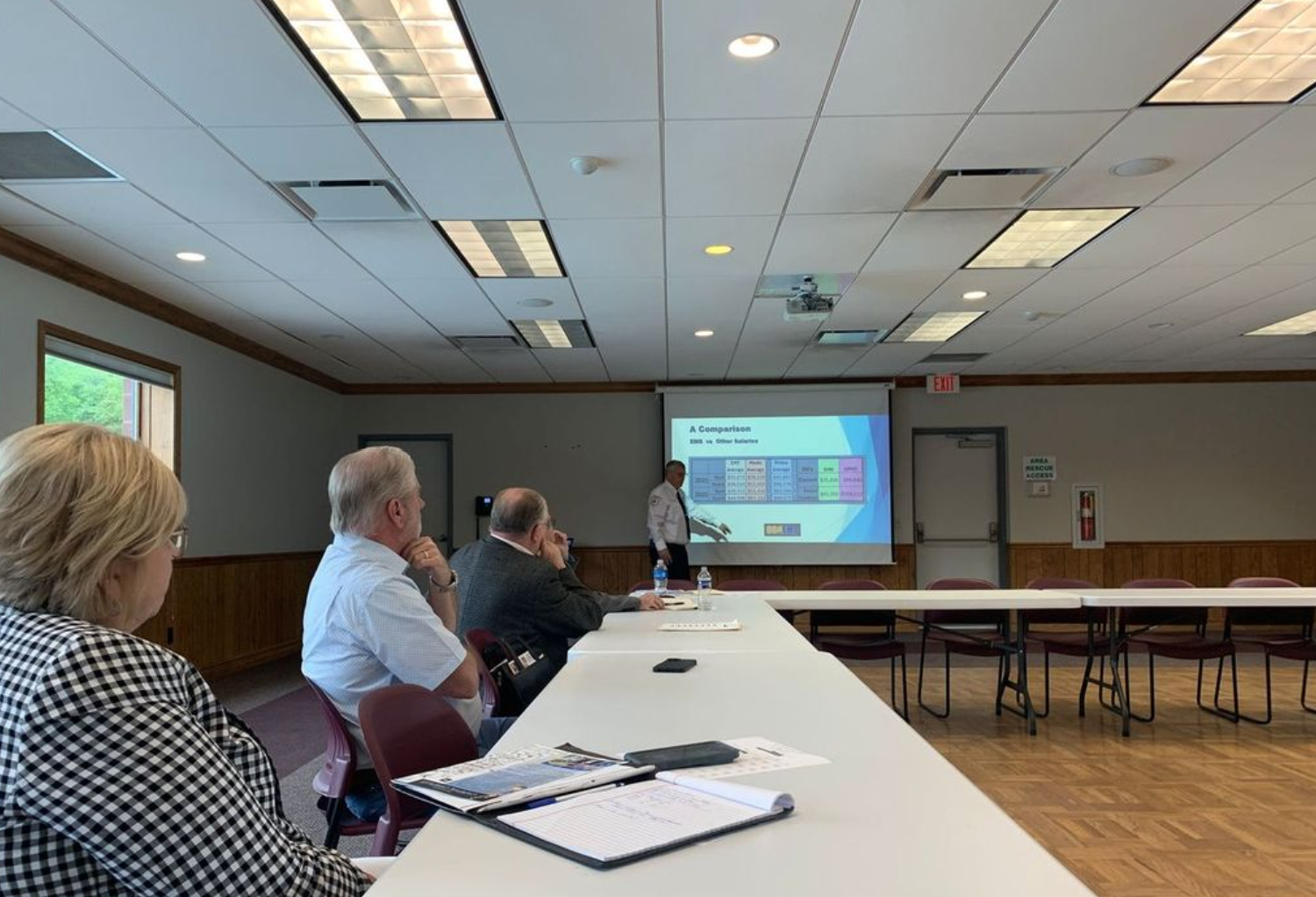 Nationally, the EMS
workforce is shrinking. Making matters worse,
individuals who may have an interest in pursuing a
career in EMS are often turned away by low salaries,
extensive training requirements, and job-related
hazards. Many individuals who leave maintain
their certifications, but choose to work in
professions outside EMS.
Nationally, the EMS
workforce is shrinking. Making matters worse,
individuals who may have an interest in pursuing a
career in EMS are often turned away by low salaries,
extensive training requirements, and job-related
hazards. Many individuals who leave maintain
their certifications, but choose to work in
professions outside EMS. The issues noted above are NOT new and have been building for years. We are now however at a crisis point, and most assuredly, a crossroads for the ambulance industry. It is a complex problem, but fixable if the public, our elected officials, and those working in EMS, join arms in this call to action. CC4EMS can serve as a facilitator to bring all parties together by sharing information on our web pages to assist others in finding workable solutions in your community. Working together, lives can be saved.
phone
Contact CC4EMS
info@cc4ems.org
412.532.9382 (call or
text)
business_center
Professional Services
CC4EMS professional services are provided to EMS organizations or communities requesting assistance with EMS-related questions or inquiries.For a quick review of how our EMS advocate organization can assist you, please complete our short inquiry form by clicking here or call us for a consultation on your particular situation.